Why is it important to personalize our hair care?
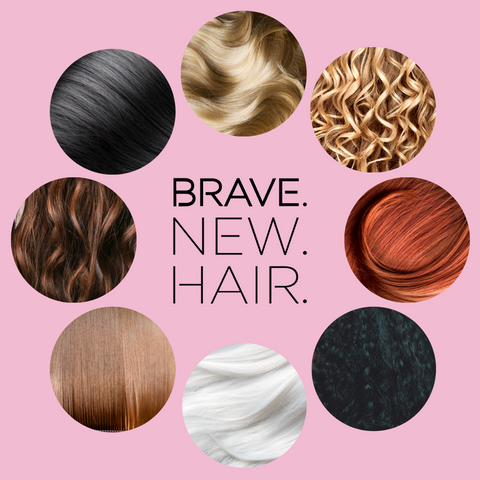 Hair varies in length, color, shape, strand thickness, density, and other characteristics. Moreover, its needs change depending on weather conditions, the surrounding environment, stress, age, hormones, diet, and more. In addition to this variety, the hair on the same person differs along its lengths. All these variations imply that different hair types, as well as different sections of the hair, have their own specifics, so it is essential to get to know your own hair to recognize its specific needs. Because what is good and beneficial for one hair type may be bad for another.
 To navigate properly personalized care, it is good to understand the basic structures of hair. This way, we can also determine what type of hair and scalp we have. In a previous blog post we talked about the two main structures that make up the hair strand:
- a “living” hair follicle deep in the skin, attached to the hair bulb, through which it receives nutrients directly from the blood;
- the visible part on the skin surface - the hair strand itself, made of dead keratin cells.
Keratin is a structural protein and has the ability to organize into ordered bundles of fibers with hierarchical organization, forming thin and flexible threads. During this arrangement, keratin fibers also collect melanin, which determines hair color. The more melanin, the darker the hair.
The visible hair strand on the surface usually consists of three keratin layers:
- outer layer (cuticle), made of keratin scales;
- main fibrous layer (cortex);
- core (medulla).
We will tell more about the organization of keratin in the hair strand in a future blog post. 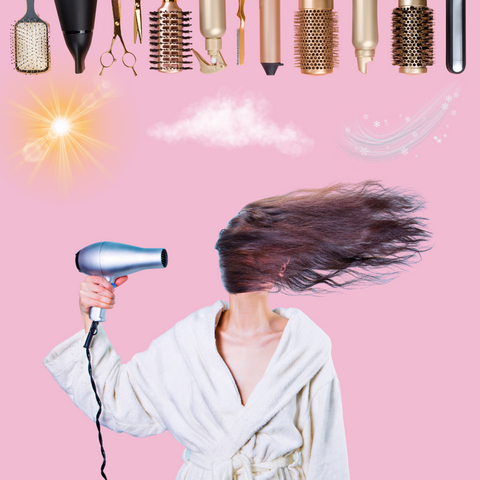 The condition of hair depends on many factors - diet, hormones, stress, water hardness during washing, air humidity, coloring or bleaching, heat styling during drying, straightening or curling, and many others. Healthy hair is hydrophobic and repels water thanks to a natural lipid layer with a protective function called MEA-18. Together with the cuticle, this lipid layer is responsible for retaining the optimal amount of water in the hair, its hydrophobicity, and protecting the proteins inside it. When wet, the keratin scales of the cuticle swell and open. That is why wet hair is more vulnerable. The more treated and damaged the hair is, the greater the swelling.
Every hair needs a combination of proteins and hydration in different ratios. What helps in summer will not be effective in winter. It is necessary to experiment and carefully select the right products to understand what works specifically for us at the right moment. We at the BRAVE. NEW. HAIR. team are happy to assist in choosing the optimal combination. Write to us, we will gladly help!
If you are curious to read more, follow our blog, dedicated to conscious hair care.
For hair with mood!